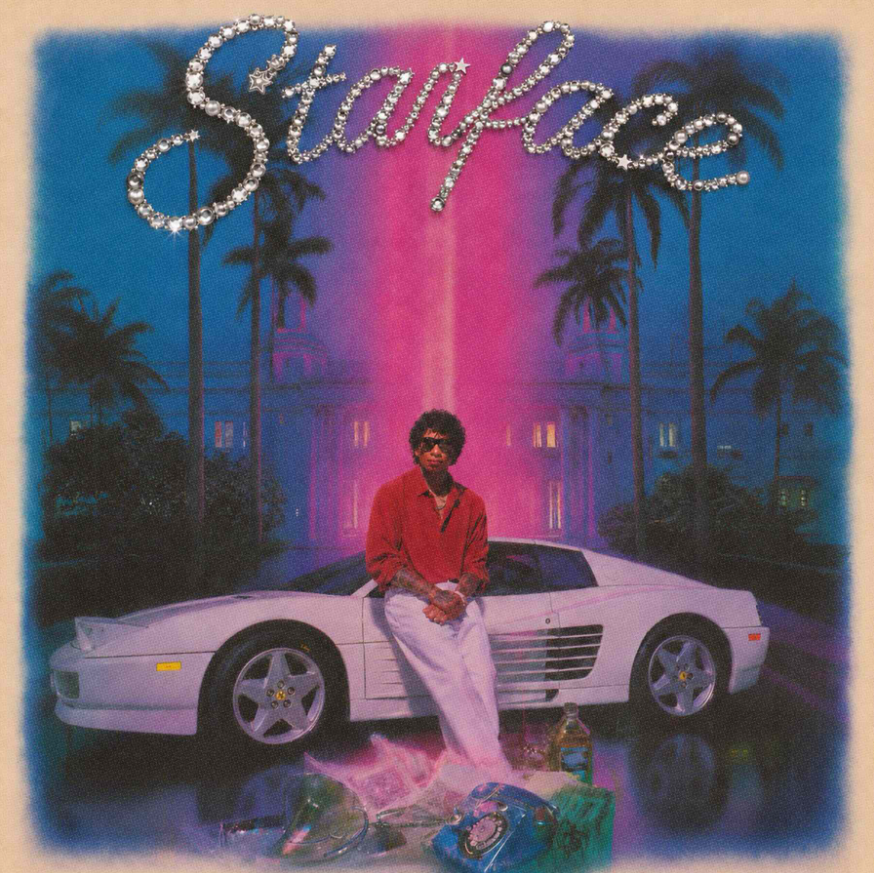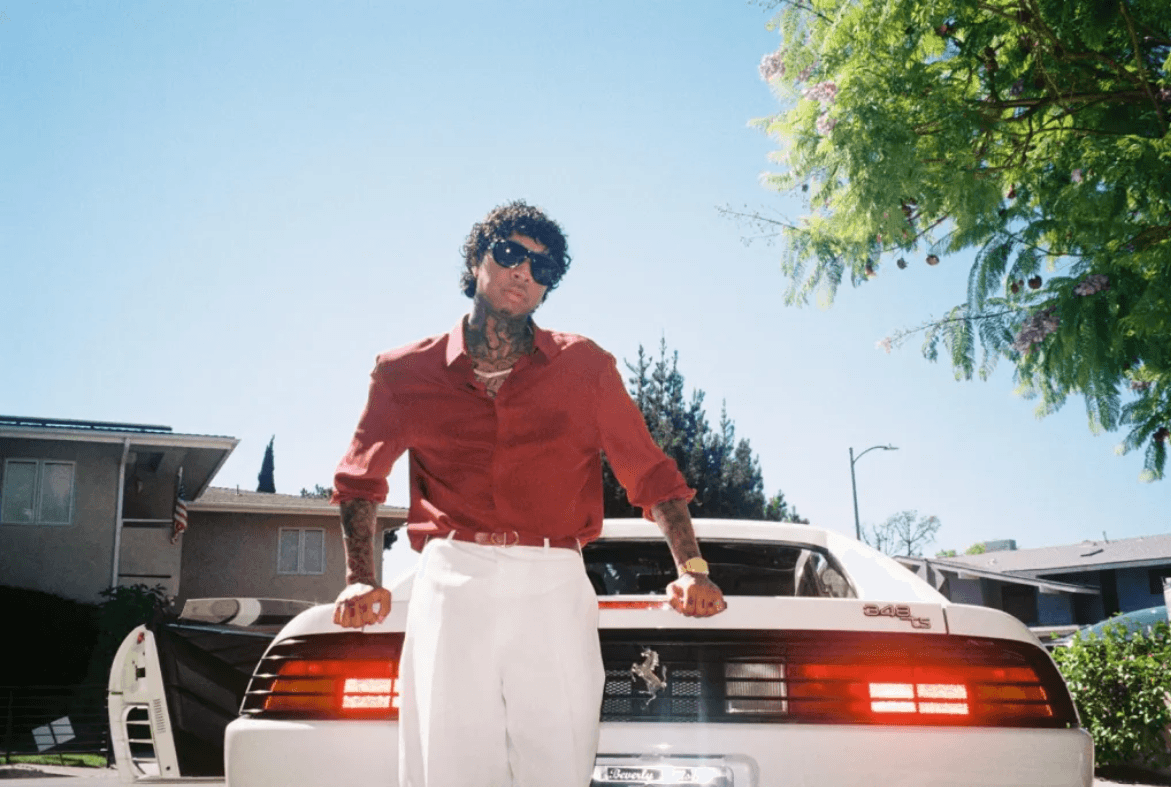
Tyga is stepping into the growing conversation around artificial intelligence in music after confirming that AI was used during the creation of his new album, $TARFACE. The West Coast rapper opened up about the process after weeks of online speculation surrounding the project’s polished 1980s-inspired sound.
According to reports, Tyga admitted that his production team used Suno, an AI music-generation platform, to help create certain musical elements on the album. He made it clear that the technology was not used to replace his voice or songwriting, but rather to assist with the sound design and production direction of the project.
$TARFACE was released on July 31 and is built around a retro pop, synth-wave, and 1980s-inspired musical world. Tyga explained that some of the sounds he wanted, including ’80s-style synthesizers and a guitar solo, were created with the help of AI tools. For him, the goal was to capture a specific era and feeling, while still keeping the album centered around his own ideas, writing, and vocals.
Tyga pushed back against criticism by comparing the use of AI to the early days of Auto-Tune. When Auto-Tune first became popular, many artists and fans questioned whether it made music less authentic. Over time, however, artists used it creatively and turned it into a major part of modern hip-hop, R&B, and pop music. Tyga believes AI could follow a similar path when used as a tool instead of a replacement for creativity.
He also said that all of the writing and vocals on $TARFACE are his own. That distinction is important because the debate around AI in music often centers on whether artists are still creating the work themselves or allowing software to do the creative heavy lifting. Tyga’s position is that AI helped bring certain sounds to life, but did not take away his role as the artist behind the project.
Still, the admission has sparked mixed reactions. Some fans may view the use of AI as a smart production choice, especially for an album built around a futuristic-retro concept. Others may feel differently because platforms like Suno can generate full musical ideas from prompts, which raises bigger questions about originality, credit, and transparency in the studio.
The controversy around $TARFACE had already been building before Tyga confirmed the use of AI. Producer Medasin had previously suggested that parts of the rollout sounded like generative AI, which led listeners to question how much of the project was created through traditional studio methods. Tyga’s comments now confirm that AI played a role, though he has not revealed which songs used it or how much of the album was AI-assisted.
The conversation also connects to a wider debate in hip-hop. Other artists, including Fenix Flexin, have faced questions about whether AI was used in their music, showing how quickly the issue has become part of the culture. As AI tools become more advanced, more artists may be forced to explain how they use technology in the creative process.
Tyga previously promoted $TARFACE as a project inspired by the sounds and feel of 1983, pointing to vintage equipment, harmonizers, and retro recording techniques. Now, the album’s creation appears to include both old-school tools and modern generative software. That mix of analog influence and AI production has made $TARFACE one of the more talked-about releases in the current AI music debate.
For Tyga, the message is simple: technology is part of where music is headed. He sees AI as another creative tool artists can use to execute their vision, as long as the artist still controls the writing, vocals, and direction. Whether fans agree or not, his comments have placed $TARFACE at the center of a major conversation about the future of hip-hop production.