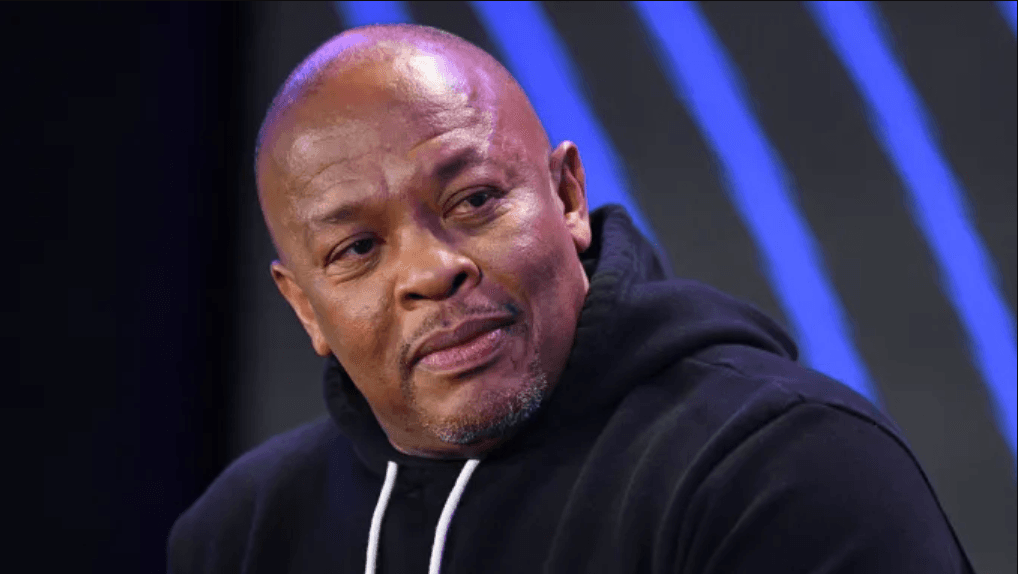
Dr. Dre is facing criticism from fans after opening up about his views on artificial intelligence in music. The legendary producer recently discussed the topic alongside longtime business partner Jimmy Iovine, and both made it clear that they do not see AI as a major threat to creativity.
During an interview with The New York Times, Dre and Iovine were asked about the growing role of AI in the music industry. Iovine argued that AI will not automatically ruin music, saying that weak music already exists and that talented creatives may be able to use the technology to make stronger work. He also suggested that part of the public backlash comes from the way tech companies communicate new tools to artists and consumers.
Dr. Dre took an even stronger position. He said he does not view AI in music as a threat and argued that the people most afraid of it are often the ones who struggle with creating. That comment quickly became the center of the backlash, with many fans feeling that Dre was dismissing real concerns from artists, producers, and songwriters.
Dre compared the reaction to AI with earlier resistance to drum machines and synthesizers. In his view, artificial intelligence is another creative tool that musicians can learn from and use in new ways. He said some people are afraid of learning new technology, but he is choosing to embrace it and is interested in seeing where it goes next.
The producer also confirmed that he has already been using AI in his own creative process. According to Dre, he uses it as a tool to test ideas and see what the technology does with music he has already created. That detail made the conversation even bigger, because Dre is widely respected as one of the most important producers in hip-hop history.
Jimmy Iovine also suggested that many producers may already be using AI privately while avoiding public discussion about it. Dre appeared to agree with that idea, adding to the belief that AI may already be more present in music production than many fans realize.
The response online was divided. Some people criticized Dre harshly, saying that AI threatens originality, human creativity, and the future of music jobs. Others felt disappointed because Dre has long been seen as a symbol of elite production, musical discipline, and hands-on studio craftsmanship.
At the same time, some fans defended him, arguing that hip-hop has always been shaped by new technology. Sampling, drum machines, Auto-Tune, digital recording, and software production were all controversial at different points before becoming normal parts of modern music. Supporters believe AI could follow a similar path if used responsibly.
Still, AI in music remains one of the most controversial topics in the industry. Fans and artists have raised concerns about voice cloning, unauthorized impersonations, fake songs, copyright issues, and the possibility of replacing human musicians with machine-generated content. Those fears have only grown as more artists have experimented with AI-generated vocals, beats, and visuals.
Recent examples have kept the debate active. Artists like Fenix Flexin and Tyga have both faced criticism for their use of AI-connected music, showing that listeners are still uncomfortable when the technology feels too present or replaces a human element.
For Dr. Dre, the backlash shows how sensitive the subject has become. His legacy gives his opinion major weight, but it also means fans hold him to a high standard. When someone with his history supports AI, the reaction is naturally going to be strong.
Whether fans agree with him or not, Dre’s comments add another major voice to the conversation about where music is headed. The debate is no longer just about whether AI exists in music — it is about how artists use it, who controls it, and whether it helps creativity or damages the human connection that makes music powerful.